Overview
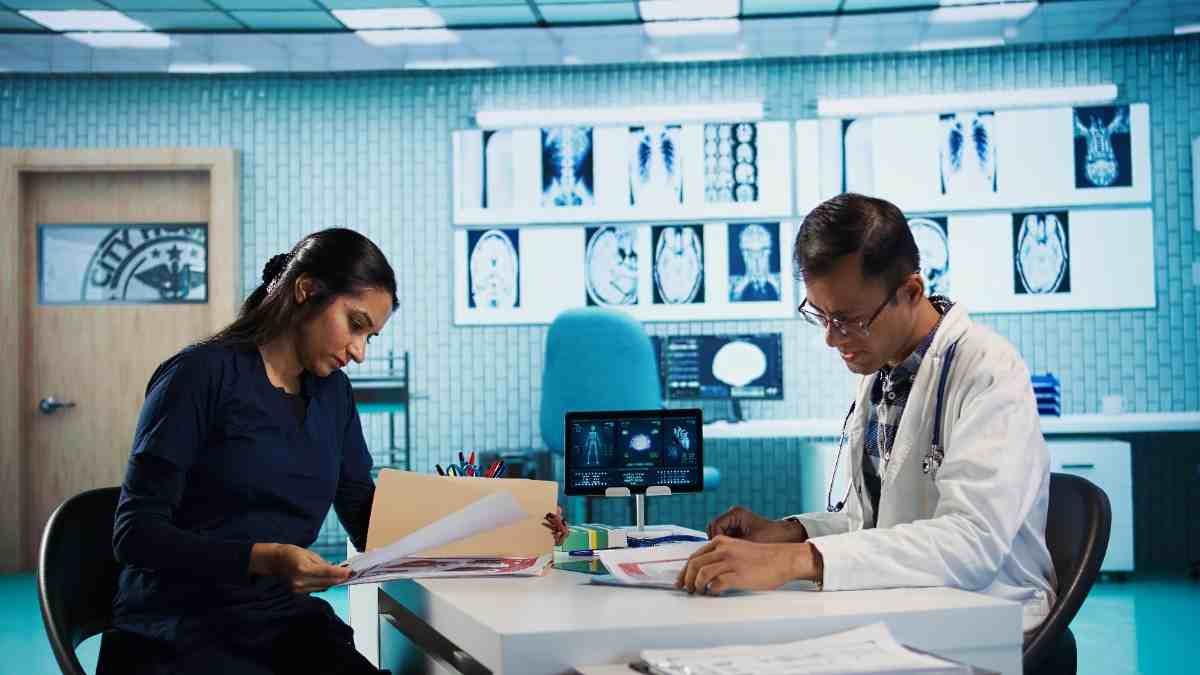
Advanced diagnostics play an important role in identifying medical conditions accurately and helping doctors plan appropriate treatment. Modern diagnostic services may include laboratory tests, digital X-rays, ultrasound, ECG, and other investigations depending on the patient’s symptoms and clinical requirements. Accurate and timely diagnosis can help healthcare professionals understand the underlying condition and monitor treatment progress.
At Rudra Fracture Hospital and Diagnostics, Greater Noida, patients can access diagnostic support for a range of medical and orthopaedic concerns. Diagnostic tests may be recommended for evaluating fractures, joint injuries, abdominal conditions, pregnancy-related concerns, infections, or other health problems. The specific tests required depend on the patient’s symptoms, medical history, and doctor’s assessment.
Advanced diagnostic evaluation can be particularly helpful in emergency and trauma cases, where identifying an injury quickly may support timely treatment decisions. Imaging and laboratory investigations can also be useful during pre-operative assessments and follow-up care.
Patients should undergo diagnostic tests only when recommended by a qualified healthcare professional and follow the preparation instructions provided for specific investigations. Test results should be reviewed by the treating doctor along with the patient’s symptoms and clinical examination.
Timely diagnosis, appropriate medical interpretation, and regular follow-up can contribute to better-informed healthcare decisions and personalised treatment planning.
How orthopedic consultation and treatment are planned.
Consultation
Our orthopedic team reviews symptoms, injury history, pain level, movement limits, and any urgent concerns.
Diagnosis
Clinical examination and required diagnostics help identify fractures, joint problems, soft-tissue injuries, or related conditions.
Treatment Plan
A clear care plan is suggested, including medicines, immobilization, procedures, surgery, physiotherapy, or follow-up support.
Follow-up Care
Follow-up visits help track healing, restore mobility, manage pain, and guide a safer return to daily activity.